Contact Lens Studies
We participate in clinical trials to help develop next-generation contact lenses and solutions. Studies may include:
- Testing new lens materials for better oxygen permeability, improved wearer comfort, and vision
- Evaluating lenses for dry eye, astigmatism, presbyopia, and myopia control or management
- Studying the effects of lens care systems on contact lens and eye health
- Developing contact lenses with built-in drug delivery systems
Ophthalmic Pharmaceutical Research
Our research team is actively partnering with leading eye care companies in the scientific study and development of drugs and therapies specifically designed to diagnose, treat, or prevent diseases and conditions of the eye. Our research efforts include:
- Discovery and development of new pharmaceutical agents or compounds targeting ocular tissues
- Formulation of pharmaceutical drugs suitable for ocular delivery (e.g., eye drops, ointments, nasal spray)
- Evaluation of the efficacy and safety of ocular drugs and medical devices through FDA-approved clinical trials
Myopia Management or Myopia Control Studies
Our clinical research team has been involved in innovative studies to manage and reduce the progression of myopia (nearsightedness), particularly in children and adolescents. The main purpose of myopia management is to slow the progression and reduce the risk of developing more severe myopia. High myopia increases the risk for sight-threatening eye diseases later in life. While myopia cannot be reversed, managing its progression can lead to milder prescriptions in adulthood and a lesser risk of conditions like retinal detachment, cataracts, glaucoma, and myopic maculopathy.
Current treatment options include: specialty eyeglasses, daytime soft contact lenses, nighttime Ortho-k lenses, and low-dose atropine eye drops at bedtime.
Diagnostic AI Technology and Equipment
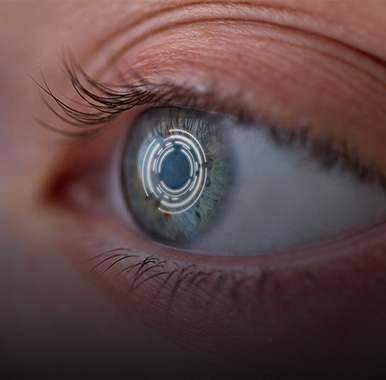
Our research team is advancing the use of AI-powered diagnostic systems and next-generation imaging technologies to support early detection, accurate diagnosis, and ongoing monitoring of ocular diseases. We look forward to collaborating with leading eye care companies to develop new technology and equipment in eye care.
Participating in an ocular clinical study can offer valuable benefits:
- Participants may receive new therapies before they become available, potentially benefiting from innovations not yet on the market.
- Clinical trials are closely monitored by medical professionals, often offering more frequent check-ups and detailed assessments than standard care.
- Your involvement helps advance scientific understanding and improve treatment options for eye diseases, potentially benefiting others with similar conditions.
- Some studies focus on diseases with limited treatment options, offering new hope for people who haven’t responded well to standard therapies.
- Participants are compensated for their time and effort. In many cases, all trial-related treatments, medications, and assessments are provided at no cost.